The problem is rarely a lack of tools. For Sacramento small business owners and operators, the real challenge is not knowing where AI actually belongs in the work. If you run a service business, local firm, professional practice, or growth-stage company in the Sacramento area, you know AI matters. You feel the pressure to act. But looking at the landscape, it is easy to feel overwhelmed by the volume of options, short on time, and unsure of where to start or whom to trust. The villain is not AI itself. It is the confusion surrounding the implementation of AI: tool overload, generic automation, disconnected systems, and strategy without execution.
The specific challenges of AI implementation in Sacramento
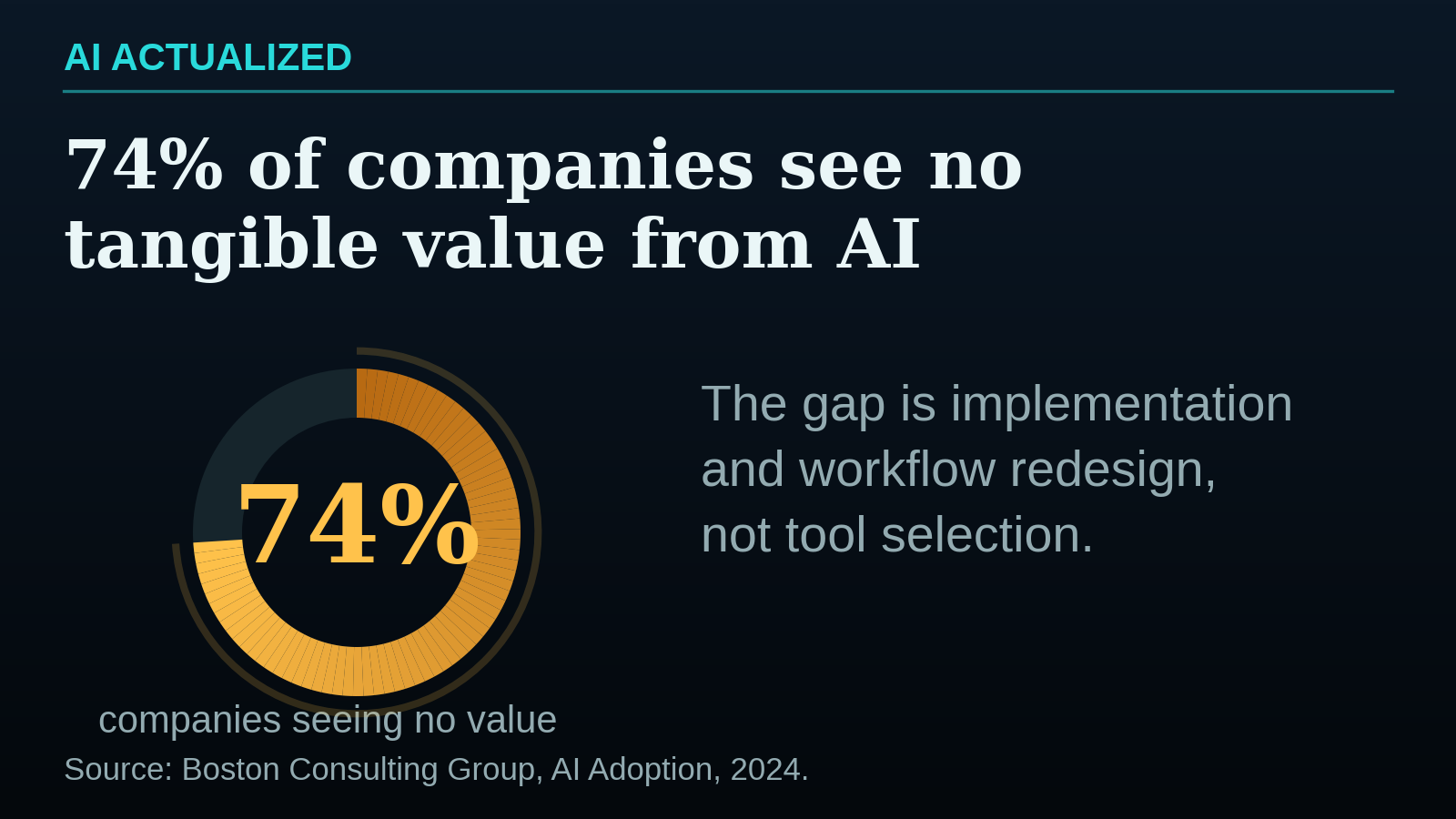
Choosing where to implement AI is not straightforward. First is tool overload and the absence of a roadmap. You are bombarded with software promising to solve every problem, but without a plan, buying tools only adds complexity. Second is unclear return on investment.
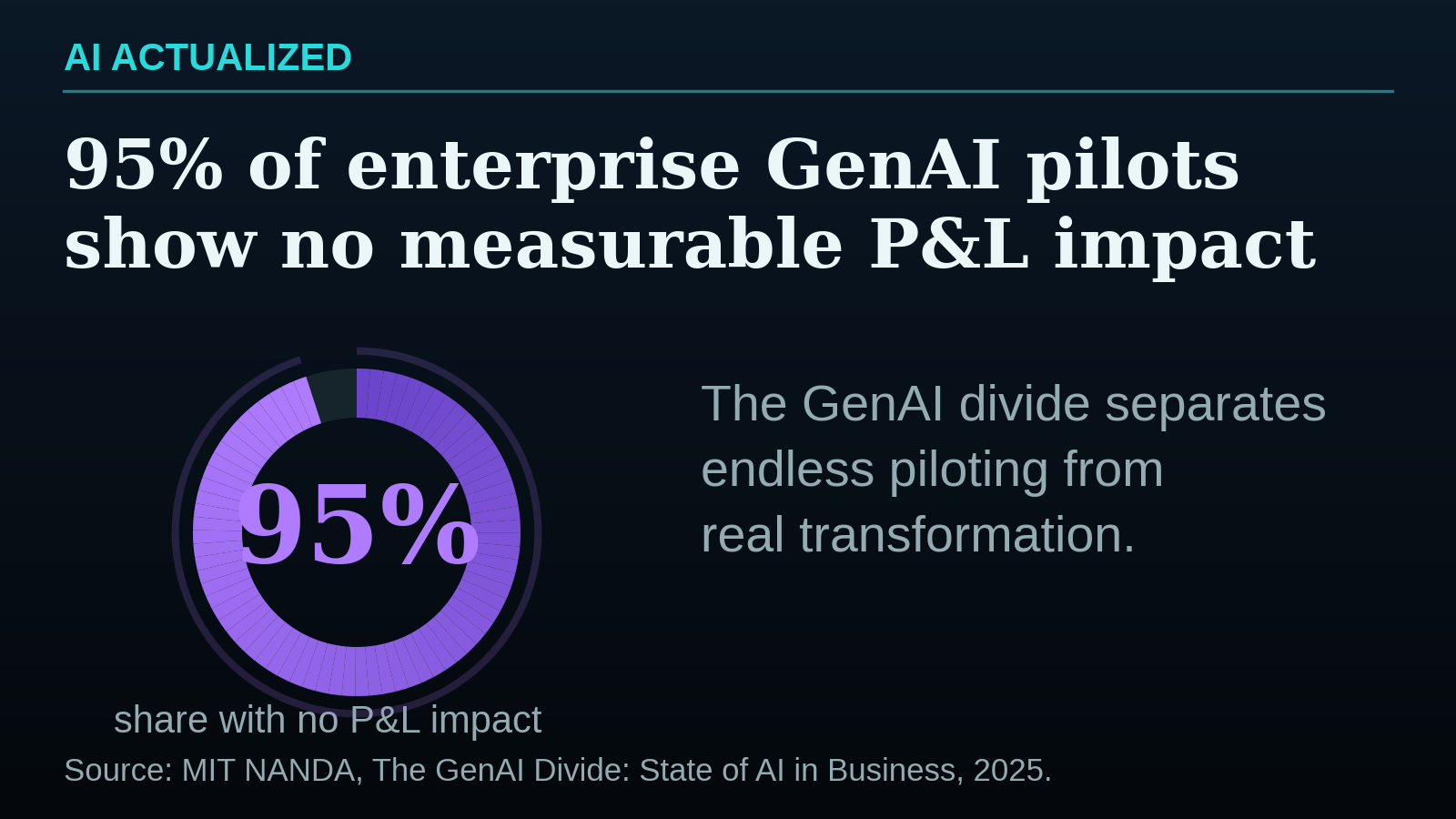
Third, data privacy and security remain real concerns. Fourth, there is limited time and team capacity. Implementing new technology requires an upfront investment of hours that many small teams do not have. Fifth is the risk of automating the wrong tasks, or automating something that should stay human. Relationships, judgment, and trust are the lifeblood of local businesses. Finally, there is local competitive pressure.
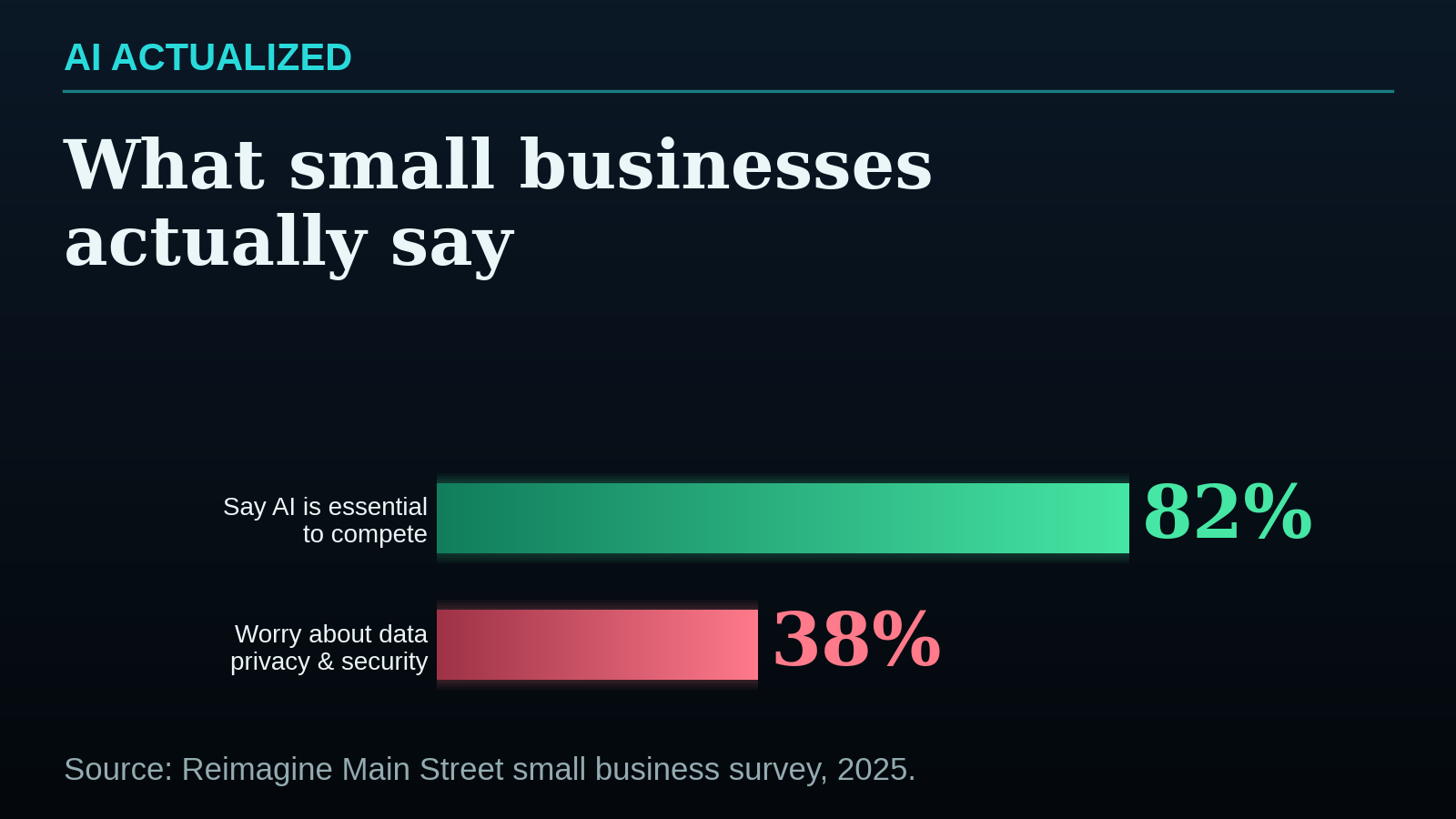
Sacramento context: growth and competition
Sacramento’s business market is growing, and the local landscape is changing fast. Local firms now compete not just with neighbors but with companies across the country that are moving faster on AI. Adopting new technology responsibly is no longer optional for keeping a competitive edge in the Sacramento Valley. Firms that delay risk falling behind peers who use AI to cut repetitive work and respond to clients faster.
A practical decision framework: where AI belongs
To cut through the confusion, you need a practical way to choose where to implement AI first. Organize the call around four criteria: how repetitive and high-volume the task is, how much human judgment or relationship it requires, the risk and compliance exposure, and the time saved or revenue gained. Using these criteria, you can sort work into three buckets.
Keep human-led
Some processes must remain human-led: tasks that hinge on empathy, complex judgment, high-stakes decisions, and relationship building. AI can help you prepare, but the execution stays human. A Sacramento wealth management firm should never use AI to deliver a sensitive financial plan to a client who just experienced a major life event. The advisor must sit down and read the room. AI might gather the data or draft the initial models, but the relationship and the final delivery stay entirely human-led.
Augment with a human-in-the-loop workflow
Other tasks are perfect for a human-in-the-loop workflow, combining human judgment where it matters with AI agency where it works. AI drafts a response to a customer inquiry, and a human reviews and approves it before it goes out. AI surfaces trends in a large dataset, and a human decides how to act. This is where many businesses find the most immediate value.
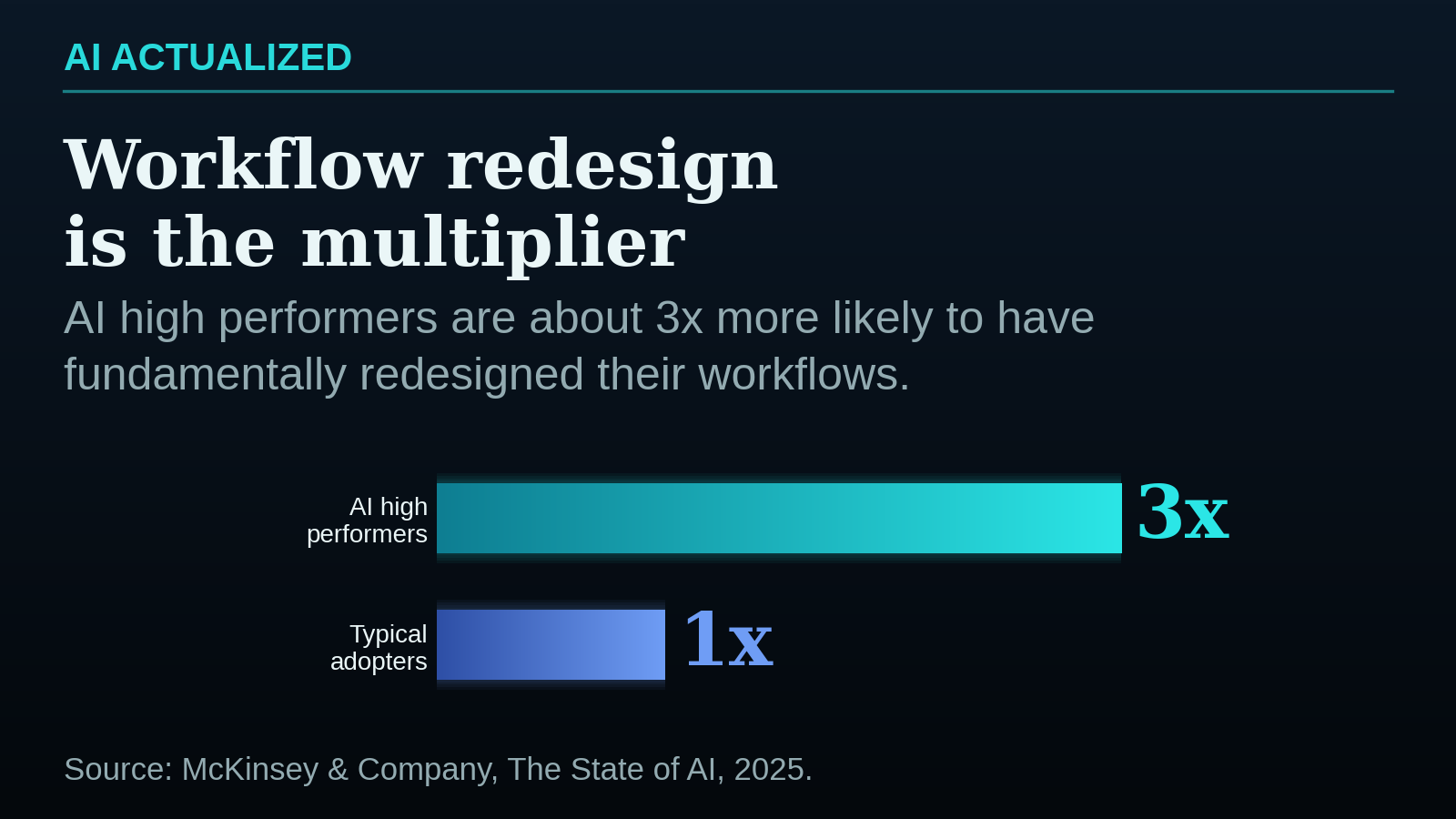
A local marketing agency can use AI to generate first drafts of social copy or blog posts, but a senior copywriter reviews, refines, and ensures the content matches the client’s brand voice before anything publishes. The AI provides the raw material; the human provides the polish and quality control.
Delegate to an agentic system with oversight
Finally, some tasks can be delegated to an agentic system with oversight: highly repetitive, rules-based, low-risk work like basic data entry, scheduling appointments, or routing routine requests. You set the boundaries and rules, and the AI executes autonomously, with a human stepping in only when an exception occurs. A busy Sacramento dental practice can deploy an agentic system for after-hours scheduling and routine FAQ responses on its website. The office manager only intervenes when the system flags a complex inquiry or a conflict it cannot resolve.
A local example: Enlighten
Enlighten Red Light Therapy Center, based in Sacramento, came to us wanting to streamline operations, integrate AI into the workflow, and grow the business deliberately. We took them through Build Your Business Brain, the Ideal Client Persona, and the Narrator. With those three foundations in place, Enlighten now uses AI across content, website copy, marketing strategy, SEO and AEO, and client communication without losing the brand voice that makes the business theirs.
“Through the Build Your Business Brain, Ideal Client Persona, and Narrator exercises, I gained a clear and concise understanding of my brand identity, ideal client, and brand voice. Since working with AI Actualized, I have been able to use AI for content creation, website copy, marketing strategy, SEO, AEO, and client-focused messaging. The ROI has been robust. It has allowed me to take busy work off my plate, simplify decision-making, and stay focused on what matters most: serving my clients and growing my business with intention.”
Owner of Enlighten Red Light Therapy Center, Sacramento, CA
Common mistakes to avoid
Watch for three pitfalls. Buying tools before defining the problem: start with the workflow you want to improve, not the software you want to buy. Automating relationships that should stay human: customers value the relationship itself, and AI in the wrong place erodes the trust you have built. And chasing novelty over outcomes: a new feature is only valuable if it solves a real problem and returns something tangible.
The path forward: actualizing AI
Human Intelligence x Artificial Intelligence = AI Actualized. AI only becomes valuable when it is actualized into real workflows, systems, and outcomes. Design the right loop, not a human in every loop, and not automation of everything.
If you are ready to move past the confusion and see the terrain clearly, consider starting with the AI Audit from AI Actualized. It is a set of short exercises, offered as a courtesy, that look at your people, your tools, your business foundation and goals, and your data conditions, starting with AI Land, an AI skills assessment for you and your team. It is prioritized direction, not a finished implementation plan.